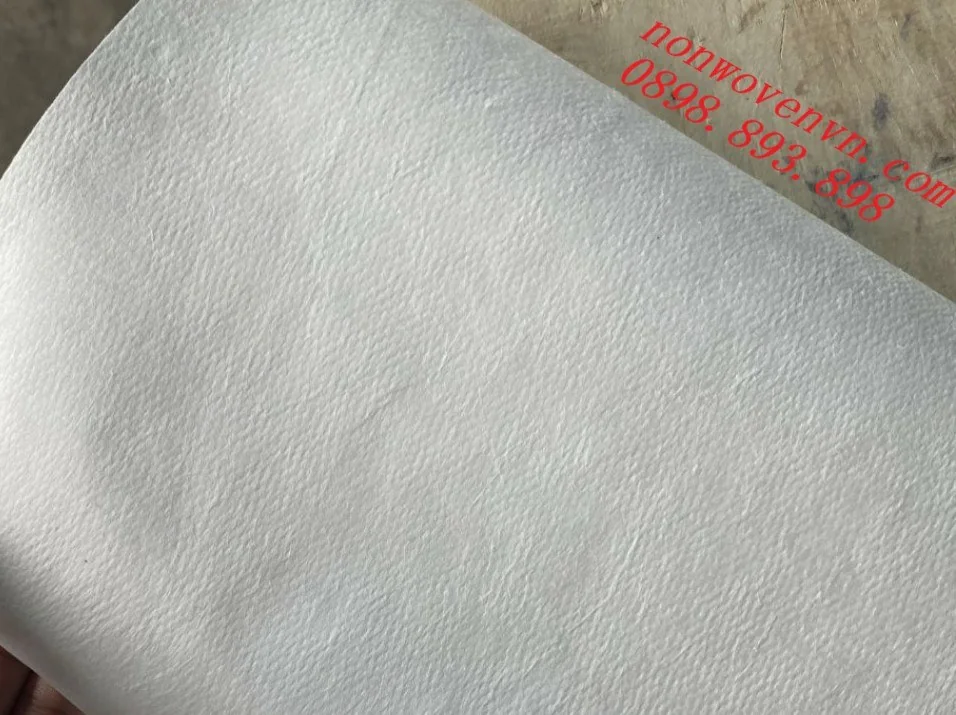
Spunbond: identify the process family
Spunbond forms a web of continuous polymer filaments before bonding. In trade descriptions, S generally represents a spunbond layer, with SS and SSS indicating multiple spunbond layers. Layer count does not replace basis weight, strength or width specifications.
Meltblown: clarify the intended function
Meltblown uses air to attenuate polymer into fibres that form a web. It is used in some filtration constructions. Ask for the performance and test conditions of the offered material rather than assuming every Meltblown grade performs identically.
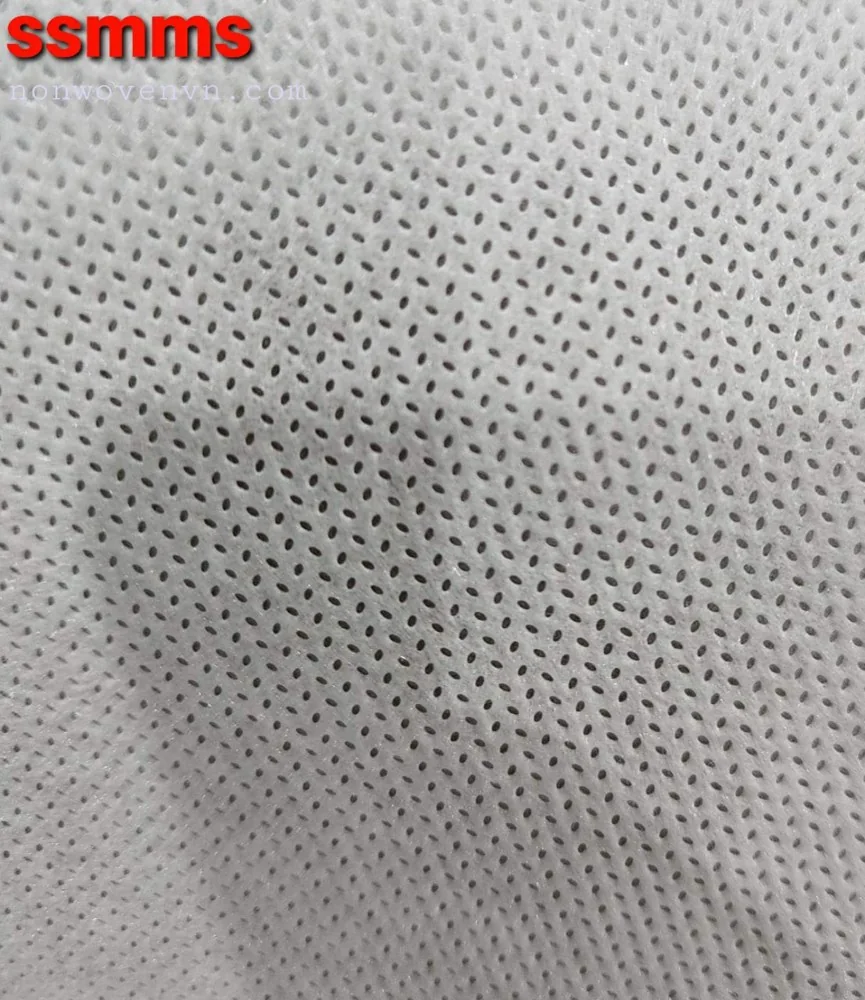
Reading SMS and SSMMS
SMS denotes spunbond–meltblown–spunbond. SSMMS describes two S layers, two M layers and a final S layer in the indicated sequence. These names identify structure, not medical compliance, antibacterial performance or finished-product protection.
Compare quotations on equal terms
Align end use, basis weight, width, testing requirements and delivery conditions. If a supplier proposes another structure, request the rationale and a sample. Price per kilogram alone is not a fair comparison of materials with different functions.
Move from a material name to an order
Describe the end product and material position, define required performance, obtain a sample and trial converting. Then agree quantity, commercial specification and acceptance conditions. This avoids buying a material before discovering it does not suit the equipment or customer requirement.
Frequently asked questions
Is SSS always better than SS?
No universal rule applies. Compare the actual configurations against the application requirements.
Can I select a medical-use material from SMS alone?
No. Review technical evidence and the requirements of the finished product.