Measure the packed contents
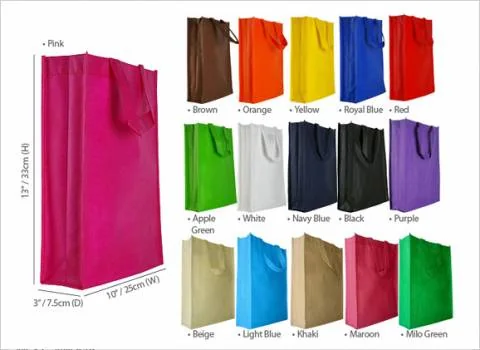
List the contents and intended total weight. Measure width, height and depth after packing, with enough clearance for loading and removal. Do not simply use box dimensions as final bag dimensions.
Choose handles for the carrying method
Hand-carry and shoulder handles serve different uses. Specify length, width and attachment points. For heavier loads or repeat use, assess the finished sample with the expected contents and carrying method.
Prepare artwork and layout
Supply vector artwork where available and a clear preview. State print dimensions, edge clearances, printed sides and colour references. Small text, fine lines and edge details need a feasibility check on the selected material.
Approve a physical sample
Lighting and displays affect photographs. Assess colour, shape, handle feel and joining quality on a physical sample where these are important. Record approvals and changes, then retain the final sample as the order reference.
Agree packing and delivery
For multiple stores, define quantities per bundle or carton and identify each variant. For events, allow for counting and internal distribution. Discuss timing risks before committing to a delivery date that leaves no handling margin.
Use supported environmental statements
Encourage reuse where the design and condition allow it. Do not describe every PP bag as biodegradable or claim environmental benefits without evidence. Statements should reflect the actual material and appropriate use and disposal guidance.
Frequently asked questions
Can I start with a logo image?
Yes, for initial discussion. Print feasibility or artwork redrawing needs will depend on image quality and design.
Should a change in fabric colour be reviewed?
Yes. The background can change perceived ink colour and logo contrast.